en
 English
When selecting the right valve for your industrial pipeline, understanding gate valve sizes and pressure ratings is crucial. Choosing the wrong specifications can lead to safety issues, system failure, or inefficient flow control. At Gangye, a trusted manufacturer of industrial valves with over 20 years of engineering expertise, we help clients across industries select the right valve for every application — from DN10 to DN2200, and pressure classes up to ANSI 2500. In this guide, we explain gate valve size standards, pressure classes, and how to select the right valve for your system.
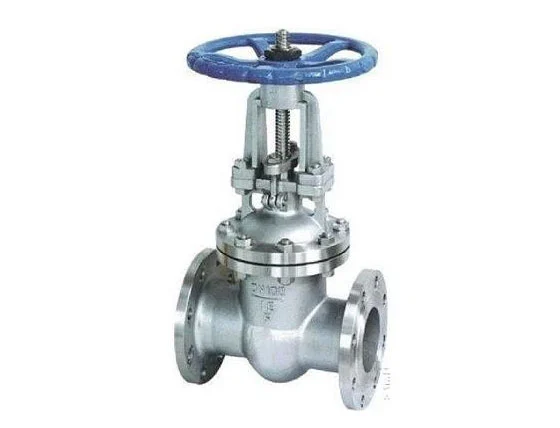
A gate valve is a type of linear motion valve primarily used for starting or stopping fluid flow. It is not designed for throttling, but for full open or full close applications. When open, the gate valve offers minimal resistance, making it ideal for systems where pressure drop must be minimized.
Gate valves are widely used in:
Water and wastewater systems
Power plants
Oil and gas pipelines
Chemical processing facilities
Slurry and abrasive media transport (with specialized materials)
Gate valve sizes refer to the diameter of the pipe connection. There are two main size standards used globally:
1. DN (Diameter Nominal)
Used primarily in metric systems (Europe, Asia)
Example: DN50 = 50 mm inside diameter
2. NPS (Nominal Pipe Size)
Used in imperial systems (U.S. and Canada)
Example: NPS 2 = 2 inches, while larger sizes such as an 8 inch gate valve are widely used in power plants and municipal pipeline systems.
At Gangye, our valves range from DN10 to DN2200 (NPS ½” to 88”), suitable for diverse project requirements, including large-scale power and municipal applications.
Pressure ratings indicate how much internal pressure a valve can withstand at a given temperature. Common international pressure rating standards include:
Standard | Pressure Class | Example |
ANSI/ASME | Class 150, 300, 600, 900, 1500, 2500 | Class 300 for medium-pressure pipelines |
PN (Bar) | PN10, PN16, PN25, PN40, PN100 | PN16 common in water systems |
JIS | 5K, 10K, 20K | Used in Japanese projects |
Higher pressure ratings usually correlate with lower operating temperatures. For example, a Class 300 gate valve may handle 740 psi at 100°F but less at 500°F.
1. Identify Pipeline Size
Match valve size (DN or NPS) to the pipe for a seamless fit and to prevent turbulence or leakage.
2. Determine System Pressure & Temperature
Verify both operating and peak conditions. Choose a pressure class that exceeds your system’s maximum pressure at the highest expected temperature.
3. Select Appropriate Materials
Material selection depends on fluid type, temperature, corrosion risk, and mechanical stress. Options include:
Carbon steel (such as A105 gate valve): General industry applications.
Stainless steel (304/316): Corrosive or sanitary environments
Alloy steel: High-temperature or high-pressure conditions
Bronze / Ductile iron: Waterworks and non-industrial applications
4. Consider Valve End Connections
Gangye offers:
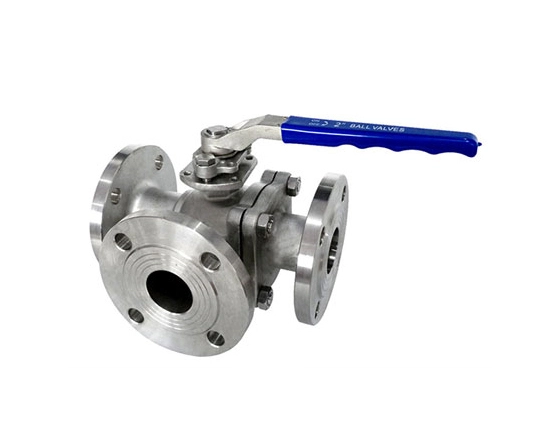
Flanged
Butt-welded
Socket-welded
Threaded
Choose according to pipe design and installation convenience.
As one of China's leading industrial valve manufacturers, Gangye offers:
Full size range: DN10 to DN2200 (½"–88"), including popular project sizes such as wholesale 8 inch gate valve solutions.
Wide pressure classes: PN10–PN100, Class 150–2500
Customized designs: For high-humidity, saline, abrasive, or acid-alkaline conditions
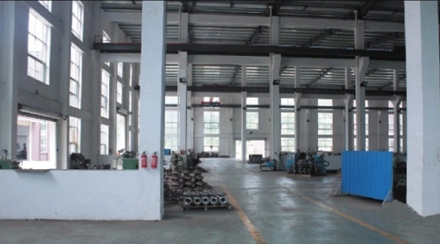
Precision engineering: Over 130 pressure testing machines ensure 100% product validation
Global standards: API, ANSI, DIN, GB, JIS compliant manufacturing
Client base: Including China Huadian, Shenhua, Datang, CITIC, and numerous EPC contractors worldwide

1. What is the difference between Class 150 and Class 300 gate valves?
Class 300 valves are designed for significantly higher pressure applications than Class 150. They have thicker walls, stronger bodies, and are suited for more demanding environments.
2. Can gate valves be used for throttling?
No. Gate valves are not designed for flow regulation. Partial opening can cause vibration, seat wear, and erosion. Use globe valves or control valves for throttling.
3. What is the maximum size Gangye can manufacture?
Gangye produces gate valves up to DN2200 (88 inches), ideal for large-scale infrastructure like hydropower and municipal networks.
4. Which industries use high-pressure gate valves?
Sectors such as thermal power, oil & gas, mining, and chemical processing frequently use Class 600+ valves to handle demanding conditions.
5. Do Gangye valves comply with international standards?
Yes. Gangye products meet or exceed API, ASME, ISO, GB, and DIN standards and come with full test reports, certifications, and inspection options.
Choosing the right gate valve requires more than just matching pipe sizes. It requires a deep understanding of pressure ratings, material compatibility, operating conditions, and compliance standards. At Gangye, we not only supply precision-engineered valves, but we also assist engineers and buyers in making technically sound decisions.