en
 English

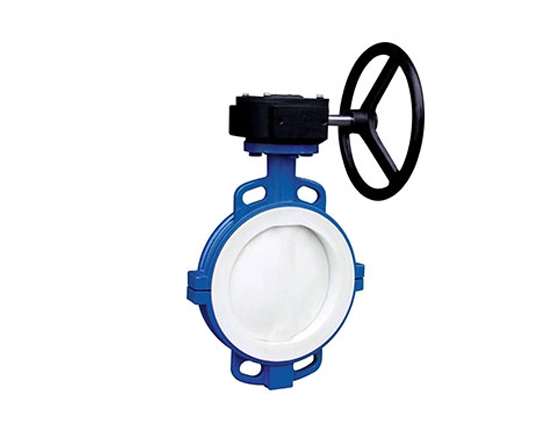
Constructed with a finished valve body, disc, and stem, our lug type butterfly valve guarantees reduced torque while maintaining robust performance. Its interchangeable components simplify maintenance, enhancing reliability and convenience. Additionally, the stem features three sealing rings to prevent leakage by effectively blocking media flow through the stem. This advanced design ensures durability, easy repairability, and excellent performance across a variety of industrial applications.
As a trusted lug type butterfly factory, Gangye is committed to providing high-quality solutions tailored to your needs.
Lug style butterfly valves are versatile valves used in diverse industries for fluid flow control. They are notably suitable for water and wastewater treatment plants, HVAC systems, the food and beverage industry, chemical and petrochemical sectors, power generation, oil and gas operations, marine applications, pulp and paper production, chemical transport, and mining processes. Their compact design allows for easy installation between flanges, making them ideal for space-constrained environments. These valves offer reliable shut-off and flow control, making them essential in systems that require precision and efficient regulation. When selecting lug butterfly valves, factors like fluid type, operating conditions, temperature, pressure, and material compatibility should be considered to ensure optimal performance and longevity in the intended application.
The lugged and wafer designs are the most common types of butterfly valves.
Lug Style Butterfly Valve
Lug style butterfly valves are typically made from materials such as ductile iron or steel. The design features threaded inserts (lugs) on the valve body, allowing it to be bolted between flanges for a secure connection. These valves are ideal for end-of-line service, as they offer the ability to isolate the valve from the pipeline while maintaining service on the opposite side. However, it's generally recommended to use a blind flange for added safety.
Wafer Style Butterfly Valve
Wafer style butterfly valves, on the other hand, feature a more compact design with four alignment holes that help secure the valve between two pipe flanges. Unlike lug style valves, wafer style valves cannot be used for end-of-line service because they require flanges on both sides of the valve for installation. If maintenance is required, the entire pipeline must be shut down as both sides of the valve need to be disconnected.
Aspect | Lugged Butterfly Valve | Wafer Butterfly Valve |
Design | Threaded inserts (lugs) for bolting between flanges | Sandwiched between flanges with long bolts |
Installation | Suitable for end-of-line service or between flanges | Installed only between flanges, not for end-of-line use |
Cost | More expensive due to its versatility and robustness | More cost-effective, with simpler construction |
Pressure & Performance | Handles higher pressures with better sealing | Suitable for lower to moderate pressures, less robust sealing |
Maintenance | Easy maintenance without disturbing the system | Requires full valve removal for maintenance |
Lug type butterfly valve dimensions are typically manufactured according to internationally recognized piping and valve standards to ensure compatibility with different flange systems and industrial applications. Common standards include ANSI Class 150, PN10, and PN16 pressure ratings, which are widely used in water treatment, HVAC, chemical processing, and industrial pipeline systems.
Gangye lug butterfly valves are produced with standardized face-to-face dimensions, flange drilling patterns, and installation specifications to support reliable interchangeability and easier maintenance across global projects.
Lug butterfly valve dimension drawings contain several key measurements used for pipeline installation and flange matching. Understanding these parameters helps engineers and buyers select the correct valve size for their systems.
Common dimension markings include:
L — Face-to-face length of the valve body
D — Outer diameter of the valve body
D1 — Flange bolt circle diameter
H — Total valve height
Bolt Hole Size & Quantity — Number and size of mounting holes for flange connection
These dimension specifications are important for ensuring proper alignment, installation clearance, and compatibility with existing piping systems. Different valve sizes and pressure classes may have different dimensional requirements depending on the application.